

This interview was conducted by Caitlyn Carr.
The 2026 Fraser Valley Writers Festival is a free three-day event bringing national newsmakers and local authors to UFV’s Abbotsford campus from November 5th to 7th. Festival events include writing workshops, keynote addresses, panels, and live podcast recordings.
In our increasingly digital age, we asked seven participating authors for their thoughts on the unique value of literary festivals and the retained demand for printed books in the face of online distractions. Here’s what they had to say.
What do you believe literary festivals offer that makes them stand out from other community events?
Adrick Brock, Islanders (Nightwood Editions)

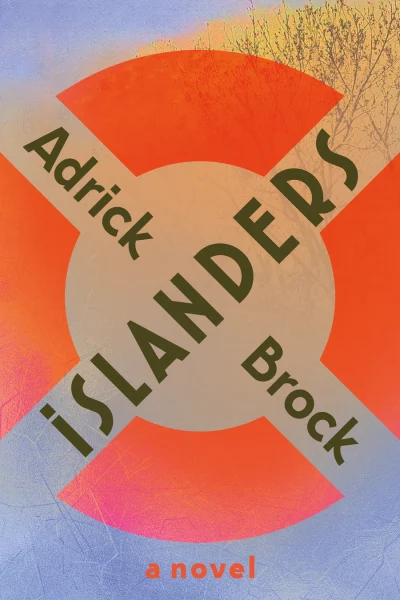
There’s a real magic to gathering IRL to talk about books and their ideas. Part of the attraction may have something to do with the fact that reading is typically a solitary pursuit, as is writing. Getting together in community and sharing in this collective passion inverts that script. We’re given the opportunity to be in a crowded room, to hear an author read aloud from a book we love, and to gather up new books to take back to our quiet reading spaces once the events are done.
Dr. Keiko Honda, Words That Last (Caitlin Press)
Literary festivals stand out because they are one of the few places left where people gather to sit with complicated, unresolved human truths rather than quick, performative soundbites. While most community events revolve around distraction or entertainment, a literary festival asks something rarer: sustained attention. It breaks the isolation of reading and forces a real-time, unfiltered encounter between writer and reader. You aren’t just buying a book or hearing a pitch; you are witnessing people grapple openly with memory, grief, science, and craft—and realizing that your own quiet, unvarnished experiences are shared.


Justin McElroy, Searching for the Best Place on Earth: 52 Countries in 52 Weeks (Harbour Publishing)

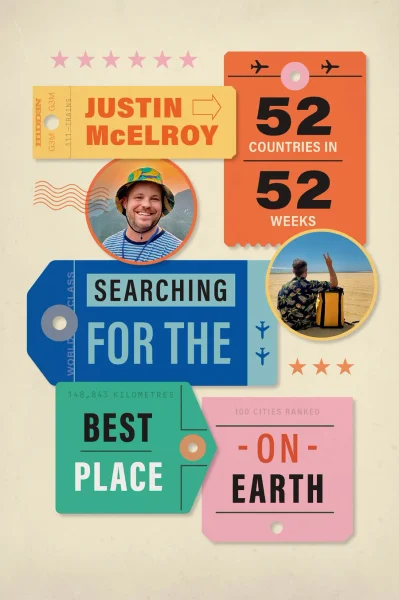
I think almost all community events are good—shared physical spaces for people to gather around their passions have so many benefits beyond the things being discussed. But there’s something to be said for people who have agreed to focus on a particular set of readings in terms of the questions asked, the focus of conversation, and (hopefully) the level of satisfaction everyone gets out of it.
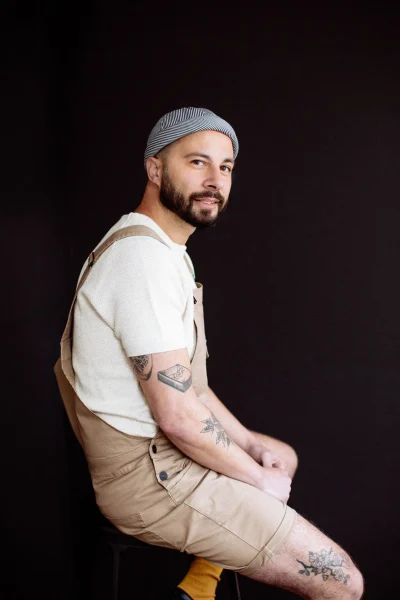
Daniel Zomparelli, Super Castle Fun Park (Arsenal Pulp Press)
I really enjoy going to festivals and being able to read my work. Writing can be such a lonely endeavour, and then finally seeing how it lands with readers shakes off that feeling. It reminds me that my work is still connecting with people and has a place in this world. I also love to connect with other writers, seeing their process, getting inspired, and offering others a bit of advice when I can.

Elizabeth Bachinsky, Real Grownup (Nightwood Editions)

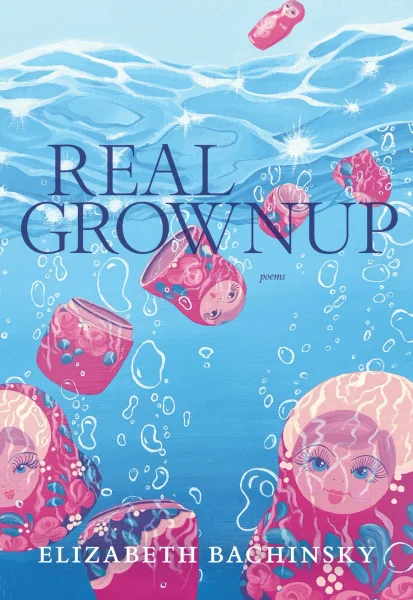
Literary festivals are sacred spaces. Where else can you close your eyes and focus on the written word? We get to listen to authors in a way we don’t normally get to hear them. There they are in the flesh. Their words are in the air. It’s a vibe you can’t experience any other way. Every time I’m at a literary festival, I just feel so grateful to be with other people who value ideas.
Why do you believe printed books have remained so popular in our current digital age?
Dina Del Bucchia, Tougher Than the Rest (Arsenal Pulp Press)
In a world where people are bricking their phones or buying “dumb phones” to avoid constant digital “connection,” books remain a way to immerse ourselves in words and stories and separate ourselves from the technology that makes us stressed out. And books are way more fun to read than emails.
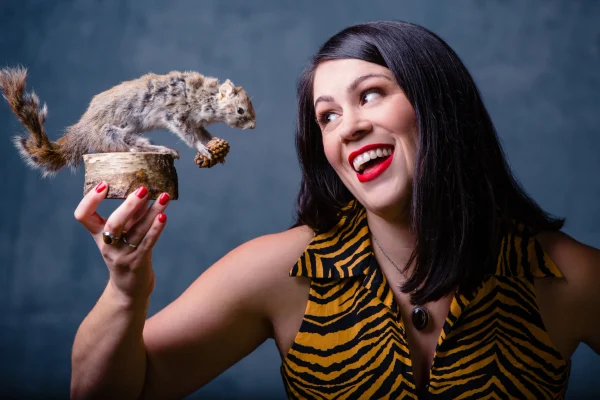

Jónína Kirton, Save Your Prayers — Send Money (Talonbooks)


Many of us still love the feel of a book in our hands and do not enjoy reading screens or simply listening. Some of us like to write in the margins or put post-it notes beside things we want to return to.
Justin McElroy, Searching for the Best Place on Earth: 52 Countries in 52 Weeks (Harbour Publishing)
There’s a tactile comfort for sure, the physicality of it forcing a slower pace and incentivizing you to internalize what you’re taking in. There are a lot of things in our current digital age that are more popular than ever — we tend to take for granted that which has been part of our lives for generations in favour of the buzzy new thing, yet people’s demand for a fulfilling storytelling experience is still elemental.
Dr. Keiko Honda, Words That Last (Caitlin Press)
Unlike digital surfaces designed to keep us scrolling endlessly, a book has borders, margins, and paper weight. It turns reading back into an intimate, sensory encounter—a quiet conversation between writer and reader that leaves room for white space, lingering echoes, and genuine contemplation.
Adrick Brock, Islanders (Nightwood Editions)
I can only speak for myself on this, and the simple reason I prefer to read a printed book over an ebook is that I like the tactile, tangible heft of a real thing constructed of paper that makes that wonderful scratching noise when you flip a page. I also love traveling with a book and watching it gather the abuses that travel inflicts.
Elizabeth Bachinsky, Real Grownup (Nightwood Editions)
Books as objects are just so satisfying. Who doesn’t love the smell of a brand new book? The feel of running your hands over those new smooth pages. Viva la personal library!